

Photographing furniture to sell
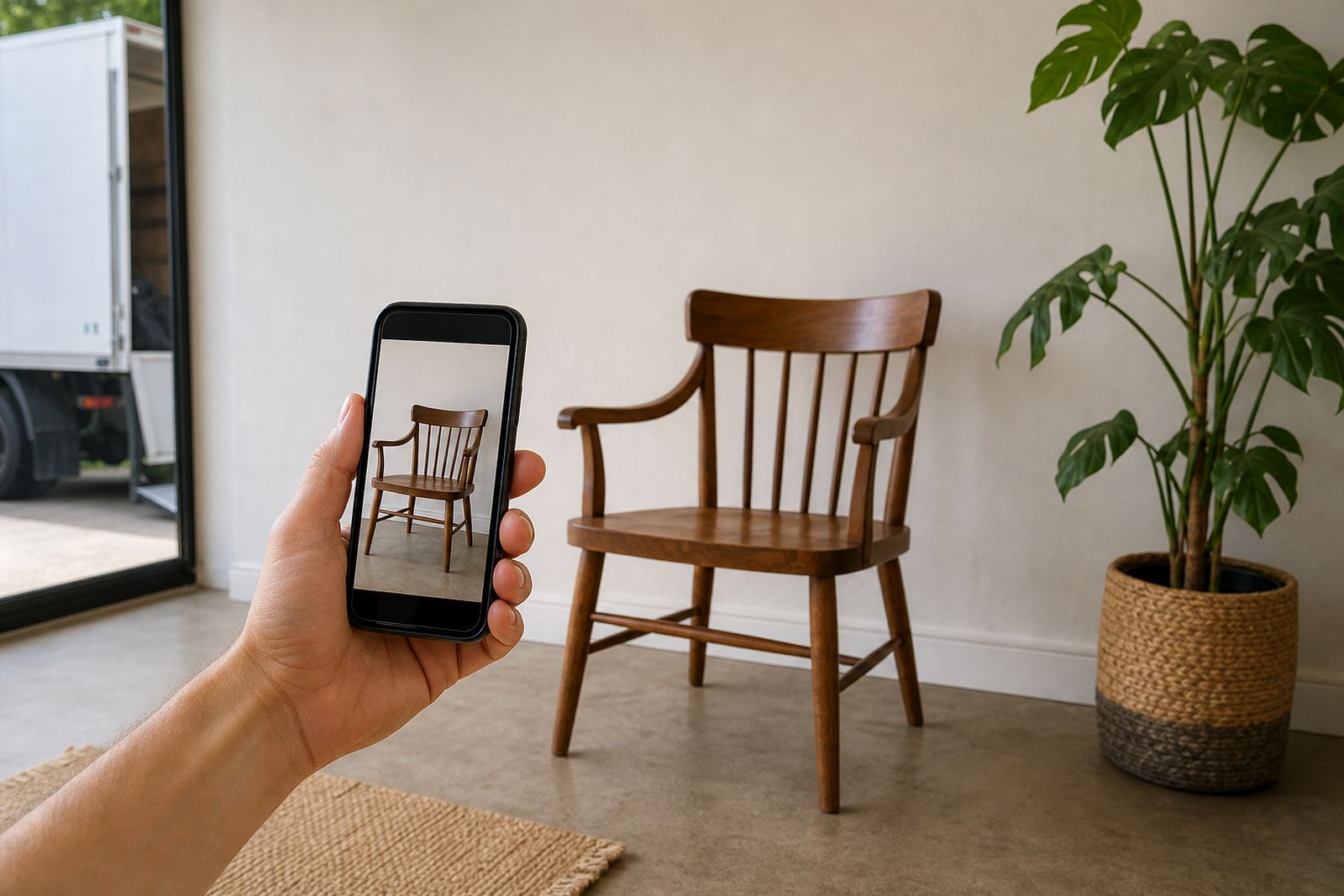
Good photos help us assess your furniture properly before collection. You do not need special equipment, just clear images that show the item honestly and from the right angles.
Why your photos matter
When you send photos through our enquiry form, we use them to decide whether an item is suitable for consignment and to plan collection. Clear pictures help us see size, condition, materials, style and any wear that may affect resale. That means fewer back-and-forth messages and a quicker answer on whether we can take the piece.
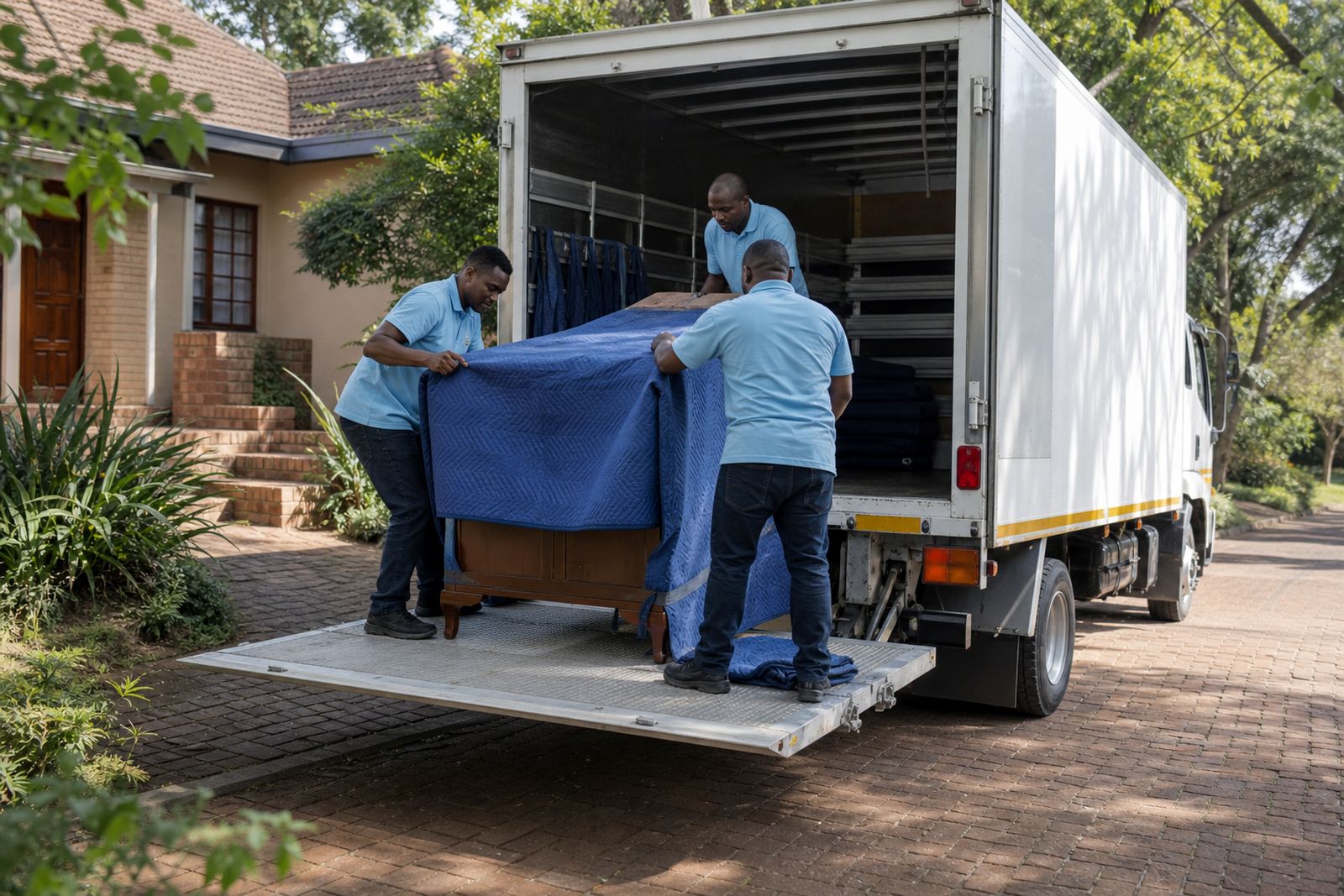
Photos also help our collection crew prepare properly. A large dining table, a tall cabinet or a heavy headboard may need extra hands, wrapping or careful access planning for stairs, lifts or narrow passages. If your pictures are dark, cropped too tightly or taken from one side only, we may miss details that matter.
You do not need to make the furniture look perfect. In fact, honest photos are better than flattering ones. A small scratch, some fading or worn corners are normal on pre-loved furniture, and it is better for us to see that early than find surprises on collection day.
Set up the room before you start
A few minutes of preparation can make a big difference. Choose a time of day with decent natural light if you can, and switch on the room lights as well if the space is dim. Open curtains, move loose clutter out of the frame and give the item enough breathing room so its shape is easy to see.
You do not need deep cleaning or polishing for photos, but wipe off dust and remove laundry, toys, remotes and anything stored on or inside the item. If you are photographing a cabinet or chest of drawers, close everything first for the main photos and then take a few open-door or open-drawer pictures afterwards.
- Move the furniture slightly away from the wall if possible.
- Clear items from the top, shelves and seats unless they are part of the set.
- Straighten cushions, chair positions and table alignment.
- Use daylight where possible and avoid taking photos into a bright window.
- Turn on lights in darker rooms so colours read more accurately.
If you are in a flat or complex, try to take the photos before load-shedding if the room relies on artificial light. Grainy, low-light images make fabrics and timber finishes harder to judge.
The must-have angles for each item
For most furniture, we need a full view first and then detail shots. Stand far enough back so the entire piece fits into the frame. Keep the camera level rather than tilting from above. Take several photos rather than trying to get everything in one shot.
As a basic rule, photograph every item from the front, both sides and at an angle that shows depth. For larger items like sofas, dining sets and bedroom suites, include wide shots of the complete set and separate shots of each main piece. If there are matching chairs, bedside tables or leaves for an extending table, include them clearly.
- One straight-on front photo.
- One photo from each side.
- One angled photo showing depth and proportions.
- One back photo if the rear condition matters.
- Close-ups of the top surface, legs, arms, handles or headboard.
- Inside views of storage areas, shelves or drawers where relevant.
- A full set photo plus individual item photos for multi-piece sets.
For beds, photograph the headboard, base and any matching pedestals or dresser units. For office furniture, show worktops, drawer runners, shelves and cable holes if present. For estate lots, group photos are useful at first, but please also add separate pictures item by item or room by room. That makes valuation much easier.
Show condition clearly and honestly
Condition is one of the main things we need to assess. Please do not hide marks under throws, cushions or careful angles. If an item has a scratch, chipped corner, sun fading, sagging seat, peeling veneer or a small tear, include a close-up. Minor wear is often acceptable, but we need to see it properly.
If there has been a repair, show that too. A tightened chair leg, a reattached handle or a touched-up corner is not necessarily a problem. What matters is whether the item presents well and is ready for a second home without major restoration. We do not take damaged or infested items, so signs of wood borer, mould, heavy pet damage or severe structural issues should be visible from the start.
- Photograph any stains, scratches, chips or dents close up.
- Show fabric wear on seat cushions and armrests.
- Open drawers to show interior cleanliness and runner condition.
- Include underside or base photos if there is damage there.
- Mention if parts are missing, such as shelves, keys or table leaves.
If a piece looks different in person because of room lighting, say so in your message. Coastal humidity, damp storerooms and garages can affect timber and upholstery, so let us know where the furniture has been kept if that may have influenced condition.
Include size and practical details
Photos tell us a lot, but basic measurements help us confirm whether a piece is suitable for our showroom and for transport. You do not need exact technical drawings. A simple note with width, depth and height in millimetres or centimetres is enough for most items. If a table extends, include both closed and open sizes.
It also helps to tell us whether the item comes apart. Some large units can be separated into sections, while others are one solid piece. That affects collection planning in homes, estates, office blocks and complexes around Johannesburg, Pretoria and the East Rand.
- Width, depth and height.
- Seat count for sofas.
- Number of chairs with a dining set.
- Mattress size if you are sending a bed photo, even if the mattress is not included.
- Whether shelves, glass panels or keys are included.
- Whether the item can be dismantled for access.
If access is tricky, mention stairs, narrow passages, tight gate entrances or upper-floor collection points. A quick hallway or doorway photo can help if you are unsure whether a large piece will fit out easily.
A simple checklist before you send
Before submitting your enquiry, scroll through your photos once and ask yourself whether someone who has never seen the item could understand what it is, how big it is and what condition it is in. If yes, you are probably sending what we need.
Try not to send screenshots taken from old adverts or heavily filtered social media images. Current phone photos are usually best, even if they are simple. We would rather receive straightforward, accurate pictures than polished ones that hide wear.
- Is the whole item visible in at least one photo?
- Have you included side views and close-ups?
- Have you shown any defects clearly?
- Have you added measurements for larger pieces?
- Have you photographed all items in a set?
- Are the images current and not overly edited?
Once your photos are ready, send them through the enquiry form on our contact page with a short note about the item, your area and whether it is part of a larger household, office clear-out or estate lot. That gives us a practical starting point and helps us respond properly.
What our Furniture Consignment customers say
Verified Google reviews
Questions we get asked
Do I need a professional camera to photograph my furniture?
No. A mobile phone is usually fine as long as the photos are clear, well lit and show the full item plus any wear or damage.
Should I photograph marks and scratches or leave them out?
Please include them. Honest condition photos help us assess whether the piece is suitable for consignment and avoid delays later.
Can I send one photo of a whole room instead of each item?
A room photo can help for context, especially for estates or downsizing, but we still need separate photos of each item or set to value it properly.
Also worth a look
Tell us what you would like to sell
Send photos and a note through our contact form about the furniture and where it is, and we will come back with the practical next step.
Open the contact form