

Selling guides
Our selling guides help you prepare pre-loved furniture for consignment and avoid the common delays that slow a sale. Start with the guide that matches your situation, whether you are listing a few household pieces or clearing an estate.
What you will find in these guides
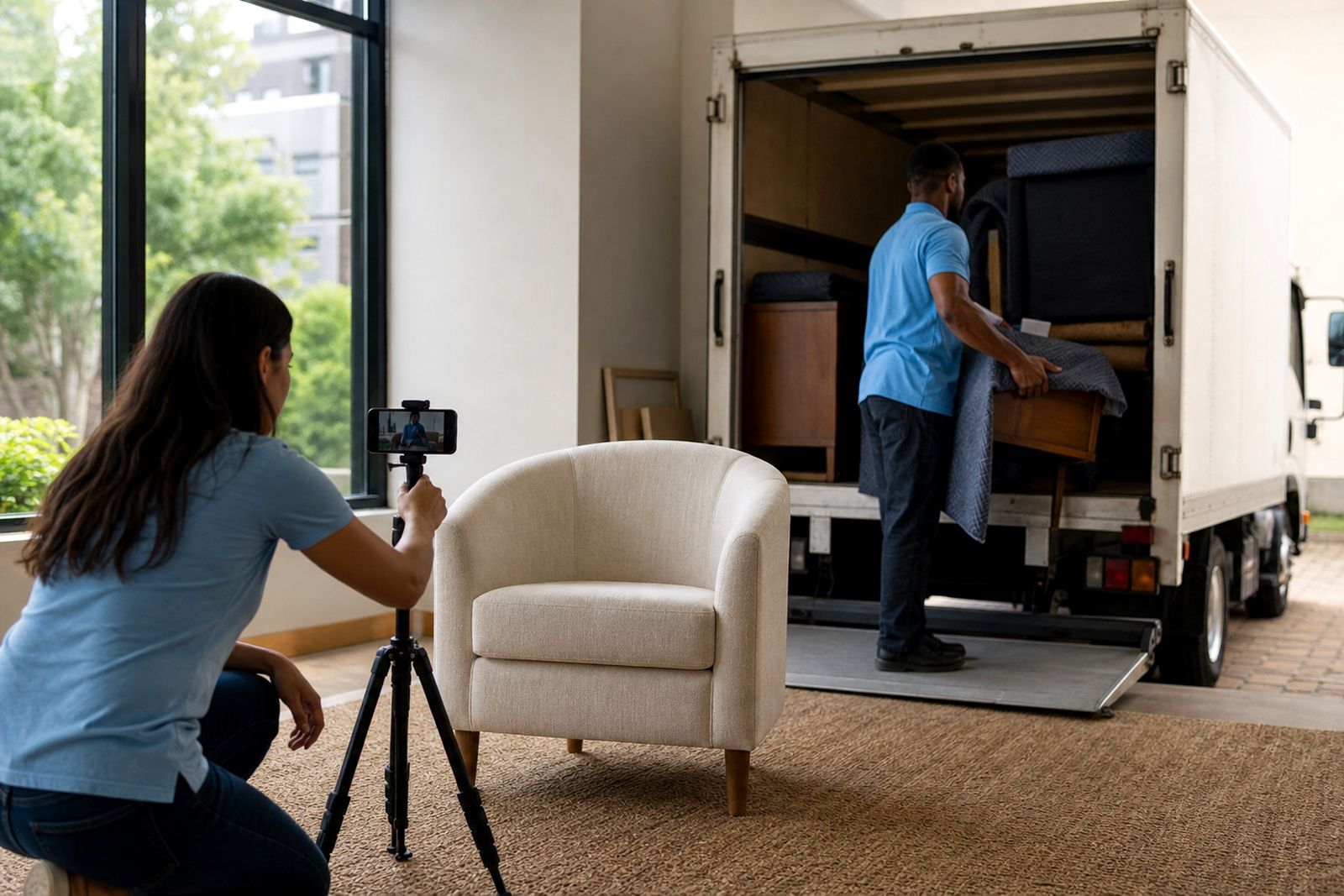
This section brings together practical advice for homeowners, families handling estates and businesses moving out furniture they no longer need. The aim is simple: help you present suitable items well, make collection day easier and give each piece the best chance of finding a new home through our Midrand showroom.
The guides focus on the steps that matter most before furniture comes in for consignment. That includes taking clear photos for an initial valuation, cleaning pieces properly without causing damage and getting access, lift bookings or gate arrangements sorted before our crew arrives. If you are in Johannesburg, Pretoria or the East Rand, a bit of prep upfront usually saves time later.
How to choose the right guide
If you are not sure where to start, pick the guide based on the point where you are getting stuck. Some sellers need help with photos first, while others have already been through valuation and now need to prepare for collection. Estates often need a more organised approach because there are more items, more family decisions and tighter building access rules.
- Choose the photography guide if you need to send photos for valuation and want to show condition clearly.
- Choose the cleaning guide if your furniture is suitable but dusty, stored or has light marks that should be dealt with before collection.
- Choose the collection preparation guide if access is the main issue, such as estate gates, complex rules, lift bookings or narrow staircases.
- Choose the estates and downsizing page if you are handling multiple rooms, inherited furniture or a move into a smaller home.
A quick comparison before you submit items
Different items need different preparation. A dining set is not checked in the same way as a bed base or filing cabinet, and a seller clearing an office has different concerns from a family clearing a house. Use this quick comparison to decide what to sort out first.
- Single item or small set: focus on clear photos, visible wear, exact dimensions and whether it can be carried out easily.
- Full room of furniture: group matching items together and note what is included, such as chairs with a table or pedestals with a bed.
- Estate lot: identify the decision-maker, check access times and separate items that are not being offered.
- Office furniture: confirm building loading rules, parking for the truck and whether cupboards or drawers still contain documents.
- Stored furniture: wipe off dust first and check carefully for moisture damage, pests or swollen chipboard before photos are taken.
If an item is damaged, badly unstable or affected by infestation it is better to flag that early. We do not take damaged or infested items, and we do not do restoration work.
The guides that make the biggest difference
Two guides usually have the biggest effect on how smoothly the process goes: photographing furniture to sell, and cleaning before collection. Good photos help with a realistic first assessment. Sensible cleaning helps items arrive in a presentable condition without turning a simple wipe-down into damage from the wrong product.
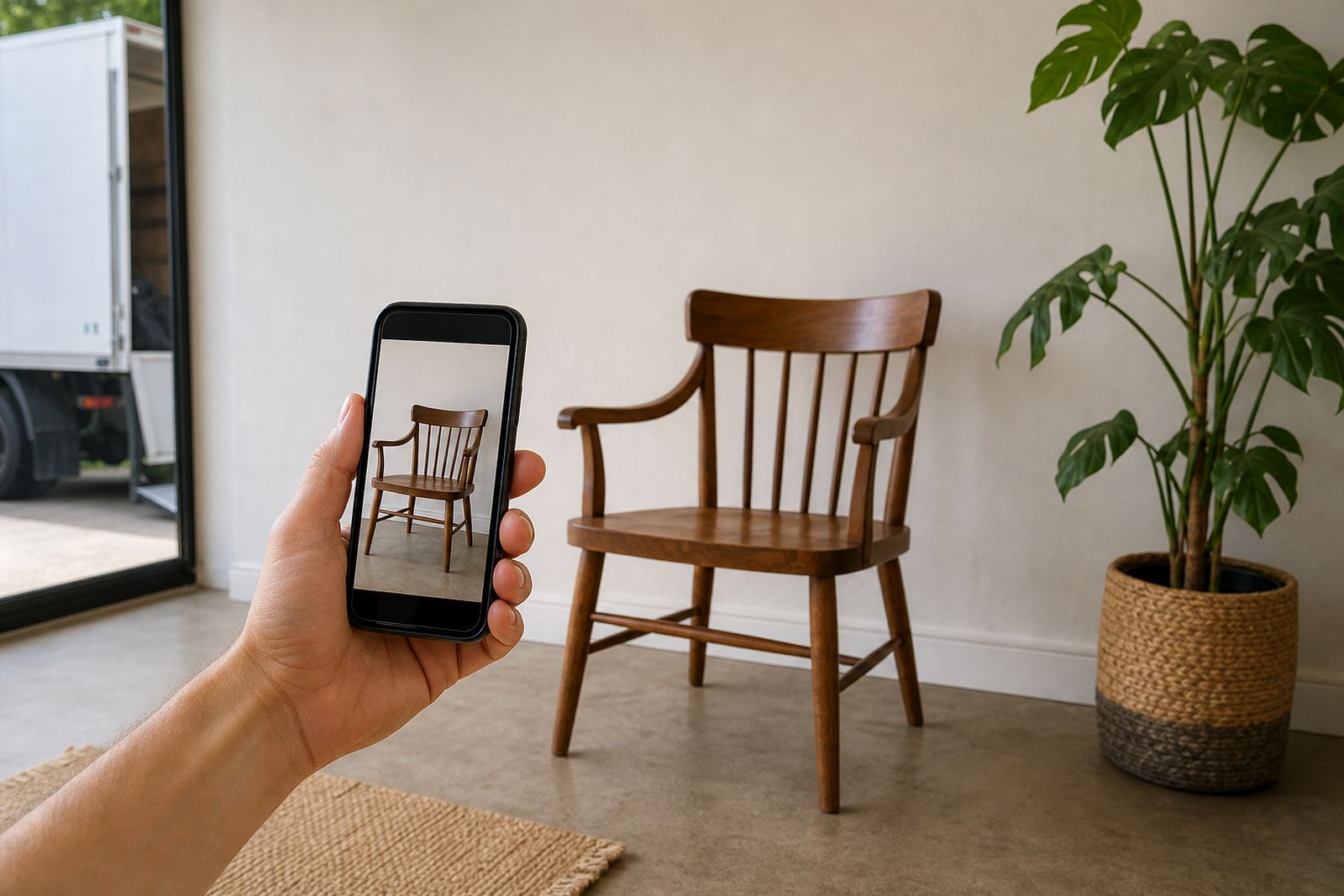
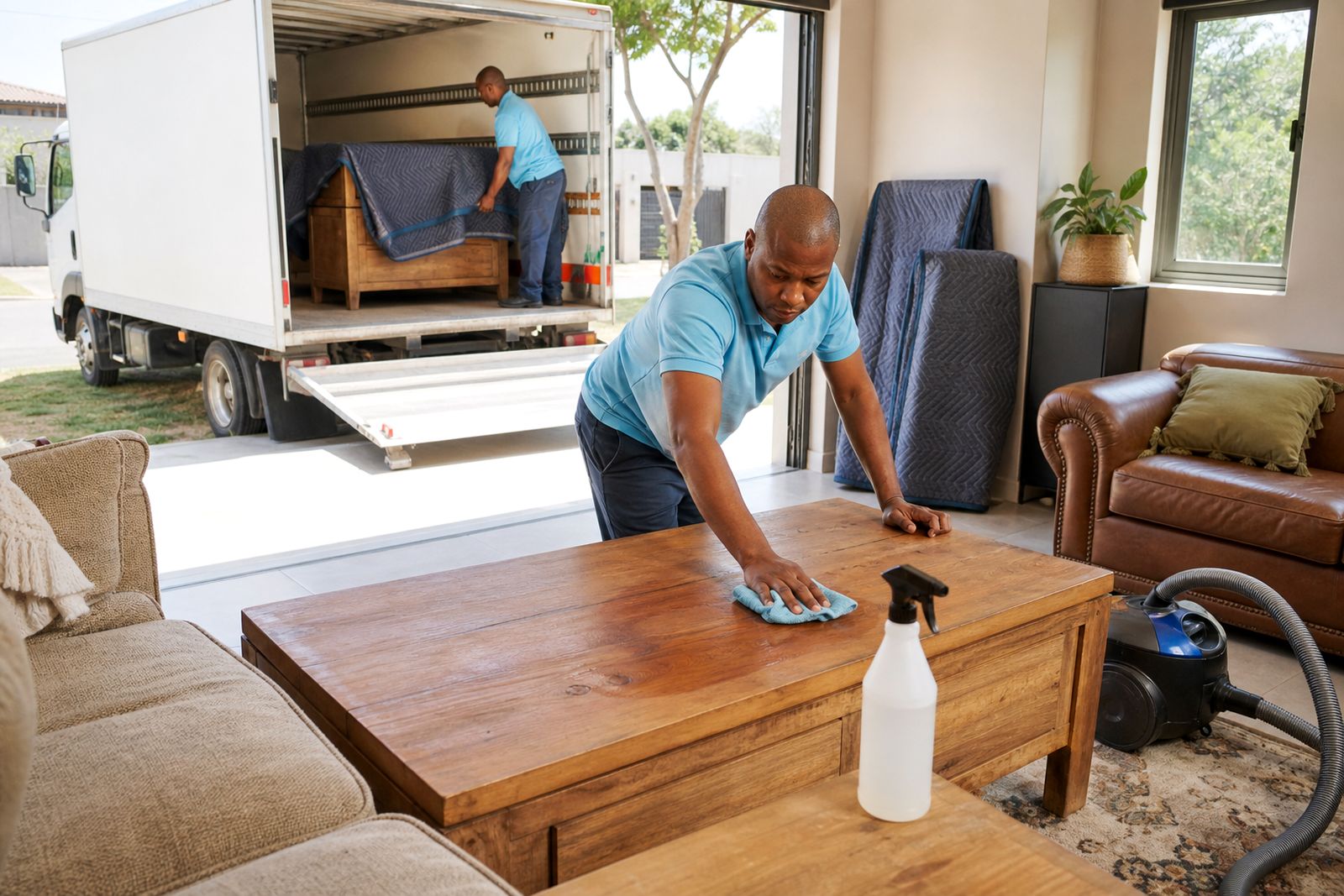
For photos, good daylight works best. Stand back enough to show the full item, then add close shots of corners, tops, handles, upholstery and any wear. For cleaning, stick to light dusting, vacuuming and wiping with suitable products. Avoid soaking timber, over-polishing surfaces or using harsh chemicals on upholstery. A rushed clean can leave water marks or sticky residue which is a problem especially in humid weather.
Common issues that delay collection or sale
Many delays are avoidable. In complexes around Midrand, Sandton, Centurion and Pretoria East, collection slots can be affected by security rules, loading bay bookings and lift access. In older homes and flats, narrow passages and stair turns are often the real issue rather than the size of the truck. It helps to measure and to mention problem points early.
- Loose shelves, glass panels or mirrors not packed safely.
- Drawers and cupboards still full of household goods or paperwork.
- Access only during limited estate or body corporate hours.
- Items photographed in poor light so wear and condition cannot be judged properly.
- Furniture left in damp garages, causing odours or moisture marks.
- Mattresses, sofas or cabinets with signs of infestation.
If load-shedding affects access control at your complex or office park, let us know through the enquiry form when you arrange the collection. A small heads-up often helps avoid a wasted trip.
Using these guides with our consignment process
Our consignment process starts with an enquiry through the contact page, followed by valuation from photos for suitable items. Once accepted, our crew collects the furniture, handles cleaning and minor touch-ups where appropriate, photographs and lists the items, and shows them in our Midrand showroom. After the item sells, the owner is paid according to the consignment arrangement.
These guides are here to help you at the parts you control before collection. Use them to send better photos, prepare access and present your pieces honestly. That usually leads to fewer back-and-forth messages and a smoother handover on the day. If you are unsure whether an item is suitable, the safest route is to read the relevant guide and then submit your enquiry with clear photos and a short description.
What our Furniture Consignment customers say
Verified Google reviews
Questions we get asked
Which guide should I read first if I have never sold furniture on consignment before?
Start with the photography guide. Clear photos are the first step in valuation, and once that is sorted it becomes easier to know whether to move on to cleaning or collection preparation.
Do the guides apply to estate furniture as well as normal household items?
Yes. The same basics apply, but estate clear-outs usually need more planning around access, item grouping and decision-making. The estates and downsizing page is the best next step for that situation.
Can I use these guides if my furniture is in storage or at an office?
Yes, but check condition carefully before submitting. Stored and office furniture often has dust, moisture exposure, missing keys or access limits, so photos and site details matter quite a bit.
Tell us what you would like to sell
Send photos and a note through our contact form about the furniture and where it is, and we will come back with the practical next step.
Open the contact form