

Bedroom and office furniture
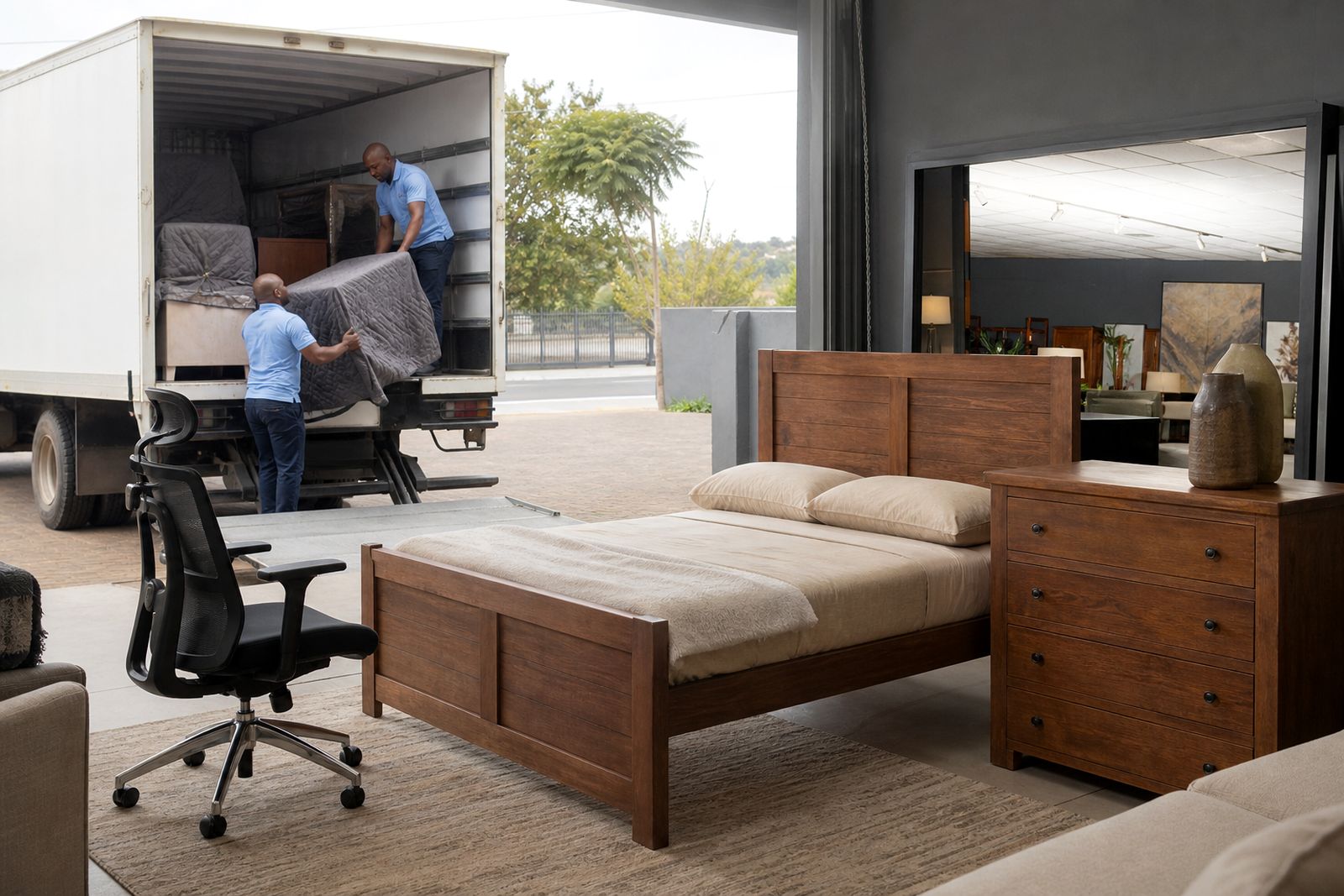
We take a practical range of bedroom and office furniture for consignment, from bed bases and wardrobes to filing cabinets and office chairs. This page explains what usually suits our Midrand showroom, what limits apply, and what to send when you enquire.
What we take in bedroom and office furniture
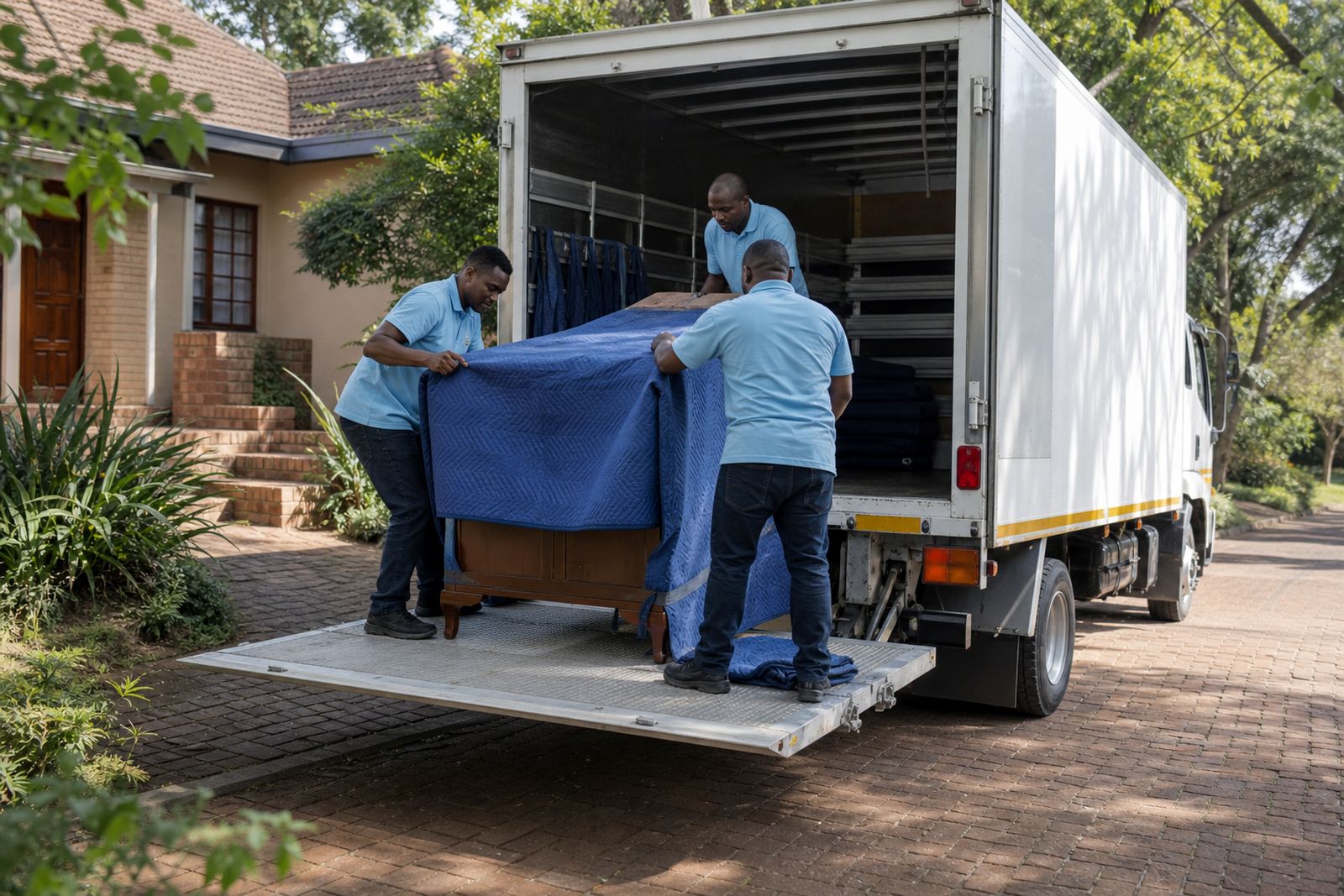
SellThose collects selected bedroom and office furniture from homes, estates and business premises across Midrand, Johannesburg, Pretoria and the East Rand. We assess items from photos first, then arrange collection with our crew and truck if the pieces are suitable for consignment sale. The aim is simple: present clean, usable furniture that can be shown properly in our Midrand showroom and sold on to a new owner.
For this category, we usually look at practical storage, sleep and work-related pieces that still have good structure, neat finishes and everyday appeal. Matching sets can help, but single items are also considered if they are useful and present well.
- Bed bases and headboards
- Bedroom suites, bedside tables and chests of drawers
- Wardrobes and compact clothing cupboards
- Dressing tables and mirrors if they are in sound condition
- Office chairs, filing cabinets and storage units
- Bookcases, compact work tables and reception side furniture
Sizes, options and working limits
Size matters with consignment furniture. Large pieces can still work, but they must be realistic for collection access, handling and showroom display. Standard South African bed sizes are usually easiest to place, especially single, three-quarter, double, queen and king bases with matching headboards. Oversized custom items may be declined if they are unusually heavy, too bulky for stairwells, or difficult to move without dismantling.
Wardrobes, tallboys and filing cabinets must be stable and square. Drawers should open and close properly, runners should not be badly worn, and doors should align without dragging. Office seating should be complete, with sound frames, working adjustment where fitted, and no major tears on the seat or back.
- Preferred bed lengths are standard local sizes rather than extra-long custom builds
- Wardrobes generally need to fit through normal residential doors and passages
- Tall units should be safe to carry without the carcass flexing
- Glass inserts and mirrors are considered if secure and not cracked
- Flat-pack pieces are only suitable if they remain rigid after assembly
- Very heavy safes, built-in units and fixed wall systems are not suitable
If a piece needs full strip-down just to leave the room, tell us that upfront. Some items are still workable, but access and labour must be clear from the start.
Where these items suit, and where they do not
Bedroom and office furniture tends to sell best when it fits normal homes, sectional title units, student accommodation, guest rooms and smaller business spaces. Straightforward pieces in neutral timber shades, painted finishes or tidy upholstered panels are usually easier to place than highly specialised items. Functional storage also does well, especially when drawers run smoothly and the finish is clean.
Items are less suitable when they are too customised for one room layout, too worn for immediate use, or too difficult to move. Furniture that has sat in damp conditions can show swelling, rust on fittings or a musty smell, which is a common issue in some garages, garden cottages and coastal moves. We also cannot take anything with signs of infestation, pet damage or broken structural parts.
- Suitable for bedrooms, guest rooms, flats and standard office environments
- Suitable for estates and downsizing collections with mixed household contents
- Not suitable for damaged particleboard that has blown at the base
- Not suitable for mattresses, loose bedding or soft furnishings in this category
- Not suitable for restoration projects or incomplete furniture sets
Collection access and site requirements
Before collection, we need to know where the furniture is and what access is like. This helps us plan vehicle space, lifting and timing. Midrand complexes, Pretoria office parks and Johannesburg apartment blocks often have loading rules, narrow lifts or security booking requirements, so details matter. If there are estate access procedures or body corporate time slots, please include them in your enquiry.
Furniture should be ready to remove on the agreed day. That means personal items emptied out, loose shelves packed separately if needed and pathways cleared. If mirrors can be taken off safely, mention that. If not, leave them in place and note it for the collection crew.
- Ground floor or upper floor location
- Lift access, stair count and passage width where known
- Complex or office park booking rules
- Whether items can be dismantled without damage
- Any loading bay limits for truck access
- Whether parking is close or a long carry is required
We do not carry out on-site carpentry, repairs or restoration. Minor touch-ups and cleaning may be done after collection where appropriate, but the item must already be basically sale-ready.
Condition, cleaning and everyday care
The better the starting condition, the more likely a piece is to suit consignment. A good wipe-down before photos helps us assess finish, colour and wear properly. Bedroom and office furniture should be clean, dry and free from strong odours. Drawer interiors matter too, especially on bedroom storage units.
Normal signs of use are expected, but there is a difference between everyday wear and damage. Small scuffs, light edge wear and minor marks are usually manageable. Broken laminate, deep water damage, severe sun fade, cracked frames and loose joints are a problem. On office chairs, flattened foam and worn arm pads may be acceptable, but split bases or faulty castors are not.
For storage before collection, keep furniture indoors where possible. Gauteng dust, damp in closed rooms and rain during move-outs can all affect timber and board finishes if pieces are left exposed for too long.
What to send when you enquire
Please use the enquiry form on our contact page and send clear information from the start. That helps us give you a quicker yes, no or maybe. Photos taken in daylight are best, with one full front view and a few close-ups of corners, handles, drawer runners, chair bases or any marks. If you are enquiring about an estate or a full office clear-out, group shots plus item-by-item photos are useful.
- Your suburb and whether it is in Johannesburg, Pretoria, Midrand or the East Rand
- A list of the items you want to consign
- Approximate dimensions in millimetres, especially height and width for tall units
- Photos of the front, sides and any wear or damage
- Access details such as stairs, lifts and security bookings
- Whether the furniture is assembled, partially dismantled or fixed in place
If you are unsure whether something fits this category, include it anyway and we will advise. It saves time if you mention mixed loads clearly, for example a queen bed base, two pedestals, a chest of drawers and four office chairs from one address. A little detail now helps avoid delays later.
What our Furniture Consignment customers say
Verified Google reviews
Questions we get asked
Do you take mattresses with beds?
No. We consider bed bases, headboards and related bedroom furniture, but not mattresses, loose bedding or damaged sleep items.
Can you collect furniture from an estate or office closure?
Yes, provided the items suit consignment and you send photos, a basic item list and access details through the enquiry form on our contact page.
Will you take flat-pack wardrobes or office chairs?
Sometimes. They need to be stable, complete and in good usable condition. If the structure is loose, swollen or damaged, they are unlikely to be suitable.
Also worth a look
Tell us what you would like to sell
Send photos and a note through our contact form about the furniture and where it is, and we will come back with the practical next step.
Open the contact form